Gerard Wouters on Unlearning the Pressure to Prove Yourself
The founder of the Foundation Taoist Health Institute, draws on his management experience and seven years of Taoist training to challenge how leaders think about performance, appreciation and personal boundaries.
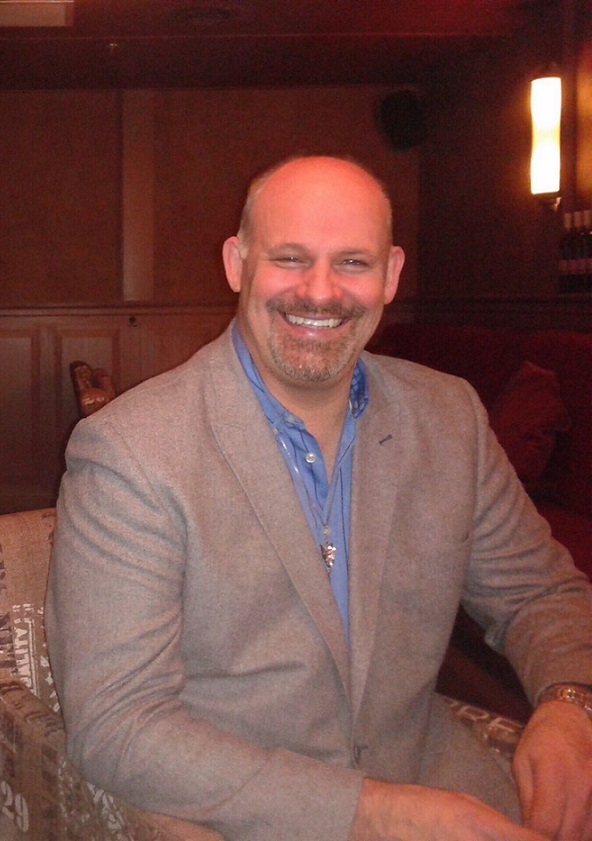
Gerard Wouters learned an unexpected lesson while managing teams: pushing harder could produce less.
In his account, pressure intended to improve output had the opposite effect. When he changed his approach and created an environment in which employees felt valued and appreciated, he saw productivity improve without the same strain.
That experience would become central to his work at the Taoist Health Institute.
Today, the former finance and management professional asks business leaders to consider a question that a performance report cannot answer: what is driving people to keep proving themselves, even when doing so comes at a personal cost?
For Wouters, understanding that behavior is part of understanding the business.
Behind the numbers are people whose relationship with achievement may be shaped by experiences that began long before their careers.
A business meeting that changed his direction
His transition began when he met a Taoist master during a business meeting. What followed was seven years of training and a substantial change in how he understood himself.
Wouters recalls feeling underappreciated and not good enough. He says his teacher helped him reinterpret experiences of being misunderstood, particularly in relation to his intelligence, sensitivity and dyslexia. What he had regarded as evidence of inadequacy began to look different.
“That changed everything in my life,” he says.
The experience gave his later work a personal foundation. He knew the feeling he now describes in clients: the persistent suspicion that, however much they accomplish, they still have something to prove.
According to Wouters, his practice now spans approximately three decades and has supported more than 4,200 people. His focus is on helping individuals recognize and move beyond learned patterns that he believes undermine their confidence, wellbeing and ability to set boundaries.
The idea behind the Niranam Method
Wouters describes the Niranam Method as a way to unlearn behavior that prevents people from living happily and successfully. Its central premise is that a response learned earlier in life may continue to shape decisions after it has stopped being useful.
In his account, the search for appreciation can become an ongoing need to demonstrate worth. A person may repeatedly exceed their limits, worry about disappointing others or struggle to recognize why they keep taking on more.
His approach asks people to examine those patterns and their origins. He applies the same thinking to managers, questioning habits that treat additional pressure as the default answer to disappointing results.
The distinction he draws between knowledge and wisdom is straightforward: learning adds to what a person knows; unlearning involves letting go of what no longer serves them. For a leader, that can mean reconsidering a familiar management practice even when it has long been treated as normal.
Looking closely at burnout and boundaries
Wouters takes a strong position on burnout. Drawing on his practice, he attributes it to feelings of inadequacy and a search for validation rooted in earlier life, rather than to the job itself. He believes these patterns can drive people to overstep their boundaries while remaining unaware of the behavior behind their exhaustion.
The leadership question his work raises remains relevant: do employees feel appreciated, and can they acknowledge their limits without feeling that their value is at stake? Exploring that question does not remove an employer’s responsibility to examine working conditions.
Personal accounts on the institute’s testimonials page illustrate the changes some clients describe. One client, whose name is omitted here, reported less worry, greater calm and renewed enjoyment of reading and walking after four sessions over eight weeks. She also described becoming more comfortable taking time for herself.
What he wants leaders to change
Wouters’s message to CEOs is direct: pay closer attention to human behavior and lead with empathy. His own management experience convinced him that appreciation could change how a team worked, and he wants organizations to examine the conditions they create around performance.
His criticism is aimed at management habits that prioritize output while overlooking how people experience the effort required to deliver it. The practical implication is to make room for honest conversations about pressure, recognition and personal limits before those subjects become an absence-management problem.
When asked what organizations should change to support a sustainable return after burnout, his immediate answer is characteristically entrepreneurial: “Hire me!!” Behind that response is his ambition to bring his approach directly into organizations and help managers reconsider how they lead.
Bringing the work to a wider audience
Wouters now hopes to take his two-day group workshops to the United States. He is looking for an organization that can help arrange them, with the aim of reaching people and managers struggling with worry, fear and feelings of inadequacy, as well as those experiencing burnout or depression.
His book, How to Make Life Simple, Happy and Successful the Taoist Way, offers another introduction to his thinking. His English-language website lists a 2025 Literary Titan Book Award. He recommends the book as a starting point for questioning behaviors people have come to regard as normal.
For Wouters, the next stage of growth is about making that conversation available to more people. His story began with a business meeting that challenged his understanding of himself. The invitation he now extends to CEOs is similarly personal: examine the assumptions behind the way you lead, including the ones you have never thought to question.
A useful place to begin is the next conversation with someone whose output you depend on. Before asking what more they can deliver, find out whether they feel valued for the contribution they already make.
Learn more about Gerard Wouters and the Taoist Health Institute at thetaoistway.com.