Sheryl Leysner Is Building a Design Business Around What Others Leave Behind
The founder of an interior architecture studio and Ruwe Bolster discusses upcycling, commercial discipline, and learning to give her team room to lead.
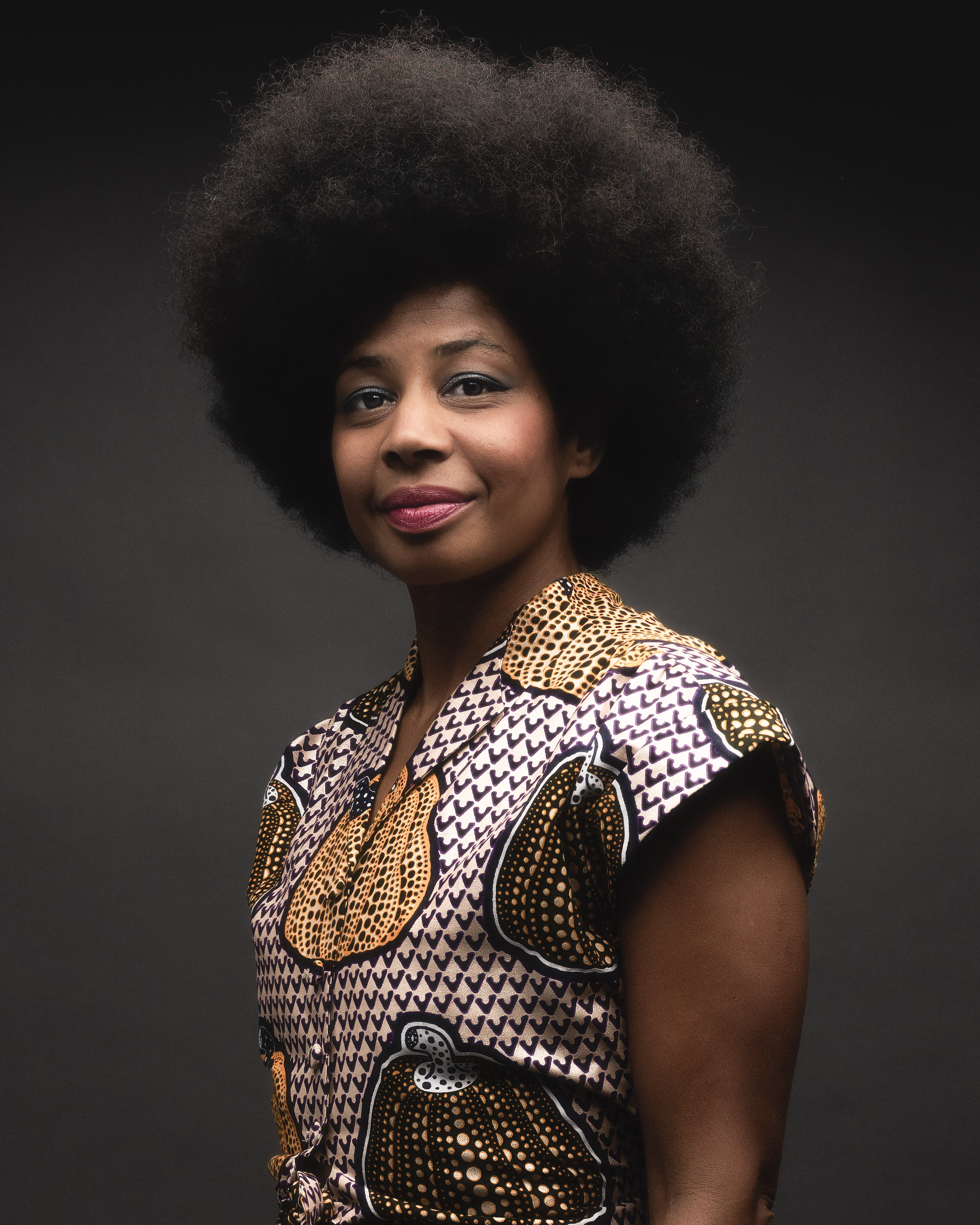
Sheryl Leysner’s decision to start her own studio began with an uncomfortable realization: even her own designs were starting to feel artificial.
On regular visits to Barcelona, she encountered interiors that made generous use of vintage furniture and repurposed materials. To her, these spaces felt more alive than much of the work she was seeing in the Netherlands. They prompted her to reconsider the direction of her own practice.
In 2011, she launched her interior architecture studio to develop a more personal approach. Since then, she has built her work around the possibilities within existing materials, the emotional effect of lighting, and the practical demands of delivering a project.
Her entrepreneurial journey has also required a different kind of transformation: learning how to move beyond working alone and lead a team without trying to do everything herself.
Finding opportunity in a limited budget
Leysner established her studio during an economic crisis, when clients had limited budgets. Lighting became an opportunity to offer something distinctive within those constraints.
She believed a strong interior needed a lighting plan that worked in three dimensions. By upcycling ordinary objects into art lights, she could create affordable, individual pieces that gave a space character.
That experimentation found a home in Ruwe Bolster, her own label. Leysner identifies its creation as one of the two most consequential decisions of her entrepreneurial career. It gave her greater freedom to pursue unconventional ideas and make upcycling a defining part of her work.
Within her interiors, the lights serve a particular purpose. She calls them “the cherries on top,” pieces intended to make a design memorable by prompting an emotional response. The architecture and the objects are connected by the same ambition: to create spaces people enjoy being in.
Making creativity accountable
Leysner describes the studio’s interiors as extensively custom-made, with chairs the exception. That level of individuality requires close attention to both the client’s needs and the character of the building.
The studio can manage a project from the initial concept through completion. Leysner also makes financial transparency part of its proposition: she says the business operates independently, without kickbacks or hidden commissions.
For clients, the promise is a clear understanding of how the work will proceed and what can be achieved within the available time and money. For the design team, it means creative freedom comes with a defined framework.
Before design begins, the team prepares a budget estimate and an action plan. Once the estimate is approved, progress is monitored and evaluated weekly. Where necessary, the team reviews design choices to bring costs into line with the budget.
Her approach to upcycling is similarly practical. Wherever possible, existing materials are transformed on site, reducing the need to transport them elsewhere. Regular updates and site visits help clients understand the choices being made and keep expectations aligned with the work.
A new chapter for Pharos
One project Leysner points to is Pharos in Hoofddorp, a 20-floor building she describes as almost empty before the team took on the challenge. Its renovation took place during the COVID-19 pandemic, adding another layer of difficulty.
According to Leysner, the building reached full occupancy within two years of the renovation’s completion, and tenants have responded positively to the space.
“You can feel the positive and vital energy as soon as you walk in,” she says.
The result is a source of pride for her. Her account connects the renewal of a building with the experience of the people using it, an outcome that sits at the center of how she evaluates her work.
Learning to step back
Building a team was the second decision Leysner identifies as pivotal. It expanded the business beyond a solo practice while confronting her with responsibilities that design expertise alone had not prepared her to handle.
She is candid about the difficulty. Curating and leading a team has been her toughest business challenge, and she regards sales as another area where she still has room to develop. Outsourcing client acquisition is one possibility she is considering.
“There is no creative challenge too big for me, but HR and sales are not my strongest points,” she says.
That self-awareness has changed her understanding of leadership. Solving every problem personally can leave too little room to consider the direction of the business or allow colleagues to develop their own judgment.
“I have learned that I need to slow down to go fast,” she says.
For Leysner, that means stepping back, reflecting, and gaining a clearer view of the whole business. She compares her role to that of a captain: setting the course while allowing her team to recognize and use its own capabilities.
Taking transformation abroad
Leysner’s next ambition is international expansion, both for Ruwe Bolster’s art lights and for the studio’s custom interiors.
Her proposed approach extends the way she already works: travel to a project, collaborate with local building teams, and transform existing materials on location. It would bring her design perspective to new settings while responding to what is already there.
“We are ready to go international!” she says.
Creating connection through HEART BEAT
Her interest in the emotional effect of design also informs HEART BEAT, an interactive art light installation she says the team has recently launched.
Designed to travel between events, the installation engages four senses: sound, touch, smell, and vision. Its intention is to encourage love, hope, and connection.
Leysner describes it as “my loving protest against war and pollution.” She wanted the work to create social impact as well as offer something beautiful to experience.
According to Leysner, an associated fundraiser is intended to cover installation costs, with all profit to be donated to Right To Play, the nonprofit she identifies as helping children in challenging circumstances through play.
HEART BEAT gives a wider expression to the question that first drew her toward upcycling: what else could an object become? As she prepares to take her work abroad, that question continues to shape both her designs and the business she is building.